
Imagine walking into an interview room; the sound of your footsteps against the floor announces your arrival. You’re dressed impeccably, your hair is neat, and you clutch your resume like a sacred text. But what truly sets the tone for those initial moments? It’s your smile. We often underestimate the magnetic power of a genuine smile and how it can set the foundation for first impressions, especially in an interview setting. So, let’s explore the charismatic influence of your smile and how it can impact that all-important first meet-and-greet with potential employers.
The Surprising Power of a Smile During Job Interviews
It’s no secret that when you flash a confident smile, it sets a positive vibe. Why is that? For starters, smiling conveys warmth, openness, and confidence—attributes every interviewer looks for in a candidate. Now, consider the opposite—a nervous tic or a grim expression. It can unknowingly erect a wall between you and the interviewer. Our smiles can communicate before we even utter a word, and in the dance of first impressions, every little step counts.
1. A Scientific Glimpse into Smiling
Research suggests that it is not just about showing off those pearly whites. When we smile, our brain releases neurotransmitters like dopamine and serotonin. These feel-good chemicals help us relax and naturally increase our chances of performing better. Plus, smiles are contagious; if you smile, it’s likely the interviewer will, too, foster a more amiable and comfortable conversation.
2. Smiling and Perceived Competence
While you’re showcasing your skills and experiences, your smile is silently at work, weaving an impression of competence and professionalism. People who smile are often perceived as more capable and reliable. It’s as if that upward curve of the lips puts a stamp of approval on your qualifications.
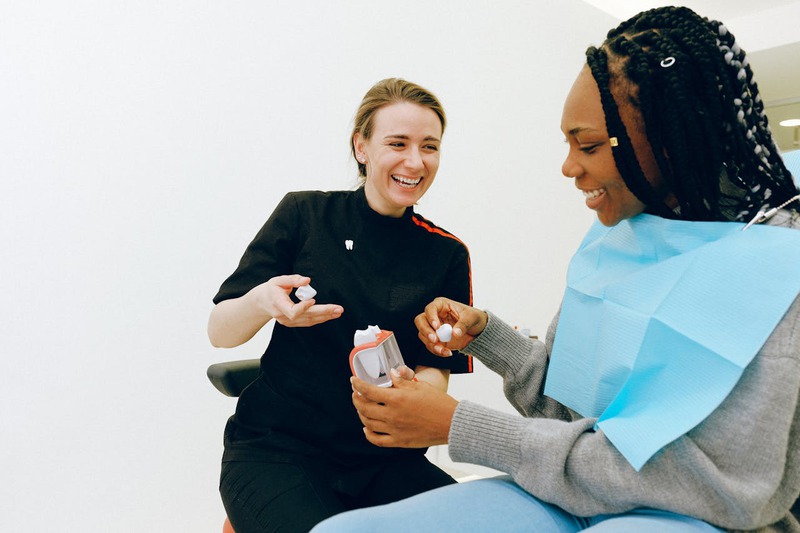
Now, let’s pause for a moment. Although we’re giving the spotlight to smiles, not everyone has the confidence to showcase theirs, and reasons like dental health can play a significant part. This brings us to the emphasis on regular dental care in Philadelphia. If your smile is not exactly how you want it to be, remember there are professionals ready to help enhance it, ensuring you can beam confidently at your next interview.
3. Nonverbal Communication
Nonverbal cues are a major part of communication, especially when words haven’t yet been exchanged. A forthcoming smile can establish a positive emotional tone, potentially making your words more persuasive as the conversation progresses. Moreover, your smile’s authenticity matters; a genuine smile that reaches your eyes, known as the Duchenne smile, can be particularly impactful.
4. Smiling and Stress Management
Smiling also works wonders for stress management. It’s natural to feel jittery before or during an interview, and smiling can be your secret weapon to curb those jitters. In a self-fulfilling prophecy kind of way, smiling can help you feel more at ease, which in turn will help you appear more composed and in control.
5. A Smile That Opens Doors
Networking doesn’t stop at handing out business cards; it often starts with a friendly smile exchanged over a handshake. Your smile can make you more approachable and memorable to your interviewer, potentially opening doors to future opportunities within an organization or industry. Visiting an Invisalign dentist to perfect your smile could give you that extra confidence and edge in making lasting impressions.
Bringing Your Best Smile Forward
We understand the role your smile plays during interviews, but how can you bring your best smile forward? Here are a few tips to help you prep:
-
Practice Good Oral Hygiene: Maintain a daily routine of brushing twice and flossing. Regular check-ups with your dentist also make a significant difference.
-
Stay Hydrated: A dry mouth can affect your smile and breath. Drinking water keeps your mouth moist and your smile bright.
-
Smiling Exercises: If smiling doesn’t come naturally to you, practice in front of a mirror. Aim for a relaxed and natural smile rather than a forced one.
-
Consider Cosmetic Procedures: If you’re unhappy with aspects of your smile, modern dentistry offers a plethora of solutions. For example, a missing tooth can be expertly addressed through tooth replacement options that restore both function and aesthetics.
Understanding the Context of Smiling
While your smile is a powerful tool in building positive rapport, it’s important to understand the context. Overdoing it or forcing a smile can work against you, appearing insincere. The key is to be authentic and let your confidence and friendliness be reflected in a balanced, genuine smile.
Mirroring Your Interviewer
Paying attention to your interviewer’s body language and mirroring it can help synchronize communication. If they are smiling and maintaining an open demeanor, it’s safe to reciprocate. However, always prioritize professional decorum and read the room; an overly relaxed interview may still require a degree of formality.
The Culture Factor
Cultural nuances in nonverbal communication are critical, too. In some cultures, excessive smiling is seen as a lack of seriousness. So, if you are interviewing with a global company or in a multicultural context, take some time to understand their cultural cues around smiling and nonverbal communication.
The Role of a Smile Beyond the Interview Room
Your interview is over, and you nailed it. But the journey doesn’t end here. Remember that a smile is your constant companion in the professional landscape. It aids in building relationships, expressing empathy, and leading with positivity. While you might not always feel like smiling, remember it’s a subtle yet profound way to connect with others.
Final Thoughts
Remember that your smile is a powerful communication tool in interviews. Alongside your skills and experience, a genuine smile can be crucial for job success. Before your next interview, ensure your smile reflects your professionalism and personality. Consider preventive care and cosmetic procedures if needed. May your confidence shine and your smile create a brilliant first impression.