
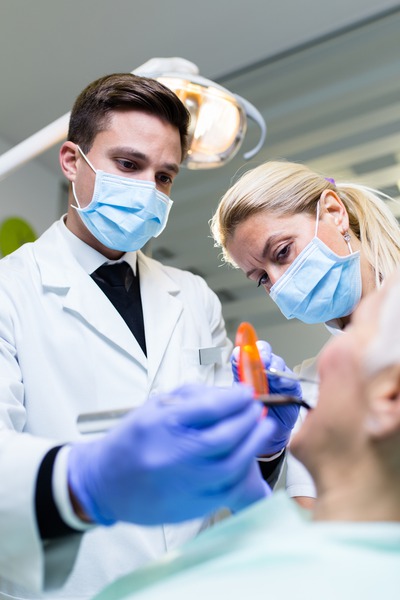
Experiencing a chipped tooth can be unsettling. While it’s a common dental mishap, it causes concern not only for one’s oral health but also for the aesthetics of their smile. You may wonder whether you can address this issue from the comfort of your home. This article explores the possibilities and cautions of at-home remedies for a chipped tooth, along with the wisdom of professional assessment and treatment.
Chipped Teeth and Their Impact
A chipped tooth is more than just a problem with how your smile looks; it can also hurt the health of your teeth. If you chip a tooth, you might feel pain, find it hard to eat, or have sharp parts that bother your tongue and the inside of your cheeks. Even if a small chip doesn’t hurt right away, it can still get cavities because the hard outer layer of the tooth is broken.
Discomfort and Difficulty Eating
-
When a tooth is chipped, it can change the way that tooth feels when you eat or drink. Hot, cold, or sweet things might cause pain or discomfort. Different kinds of discomfort could include short, sharp pains or a constant dull ache.
-
A chipped tooth might also make eating harder. It can change how your teeth fit together when you bite, and this might make it tough to chew. This could lead to avoiding certain foods, which might change your diet and health.
Sharp Edges That Can Irritate
-
The rough or pointy edges of a chipped tooth can scratch or damage your tongue and cheeks. This can be really uncomfortable and make talking and eating painful. These sharp edges need to be smoothed by a dentist to prevent any further injury to your mouth.
-
If the chipped parts of your tooth rub against other parts of your mouth, it might cause sores or cuts. Not only do they hurt, but sores and cuts can also get infected if not taken care of properly.
Vulnerability to Decay and Infection
-
Your tooth’s enamel is its shield against decay. When a tooth is chipped and the enamel is damaged, it is more likely for cavity-causing bacteria to get in and cause decay. This might lead to the need for fillings or other dental work.
-
Chips in your teeth not only increase the chance of getting cavities but they also make the tooth more likely to get infected. If the chip is deep, it can allow bacteria to reach the inner parts of the tooth, which can cause an infection and need serious treatment.
Temporary At-Home Solutions
Before you can see a dentist, you may seek temporary relief for a chipped tooth. A wide array of temporary fixes can be found, but it’s essential to understand that they are not permanent solutions and visiting a dentist should be a priority. Here are a few at-home methods:
-
Dental wax or sugar-free gum can be used to cover sharp edges temporarily.
-
Over-the-counter pain relievers can help ease discomfort.
-
Avoiding hard foods can prevent further damage to the tooth.
These tips can provide temporary relief, but they cannot replace professional dental care.
When to Seek Professional Dental Care
It’s crucial to schedule a visit with a dentist as soon as possible after chipping a tooth. They can assess the damage accurately and suggest the best course of treatment. Professionals have the tools and expertise to restore the tooth’s function and appearance safely and effectively.
Dental Bonding
Dental bonding is an efficient technique to repair chipped teeth. A composite resin that matches your tooth color is applied, shaped, and then hardened with a special light. Dental bonding can last several years with proper care.
Long-Term Treatments for Chipped Teeth
Long-term treatment options vary, depending on the extent of the chip and overall oral health.
-
Dental Bonding: For small to medium chips, dental bonding is a popular choice.
-
Veneers: Porcelain veneers are another option, especially for visible chips. They involve covering the front of a tooth.
-
Crowns: Severe chips may require a crown to cover and protect the entire tooth.
Your dentist can recommend the best treatment option after evaluating your specific situation.
Lifestyle Adjustments to Avoid Further Damage
Prevent future dental injuries by taking some precautionary measures:
-
Do not use your teeth to open packages or bite hard objects.
-
Wear a mouthguard during sports and other high-risk activities.
-
Maintain regular dental check-ups to catch vulnerabilities early.
Being proactive about your dental health can minimize the risk of chipped teeth.
The Risks of DIY Dental Work
At-home dental kits might tempt you, but they can often cause more harm than good. Without proper training, it’s easy to misuse these materials, potentially leading to infections, worsening the damage, or necessitating more complex procedures later on.
This treatment can seamlessly restore the appearance and functionality of a chipped tooth when performed by a skilled professional. Reading about the process can help you understand what to expect during your appointment. For more info on professional bonding procedures, consult with a dentist.
Why Immediate Attention is Crucial
Ignoring a chipped tooth can lead to significant problems, such as decay, infection, or further breakage. Even if the chip appears minor, it can have underlying damage that isn’t visible to the naked eye. A dentist’s evaluation is essential to diagnose any additional concerns.
Cosmetic Repairs and Aesthetics
Chipped teeth don’t just affect oral health; they impact your smile’s aesthetics. Returning symmetry and visual appeal to your smile is part of the corrective process. Services within the field of aesthetic dentistry offer solutions that blend health and beauty.
Closing Remarks
While you can take steps at home to manage the discomfort of a chipped tooth, professional treatment is the only solution for proper repair. Consider home remedies as temporary fixes and prioritize visiting a dentist who can provide a long-term, safe resolution for your chipped tooth, preserving your dental health and smile aesthetics. Remember, early attention to a chipped tooth can prevent further complications and ensure a timely restoration of your tooth’s appearance and function.