
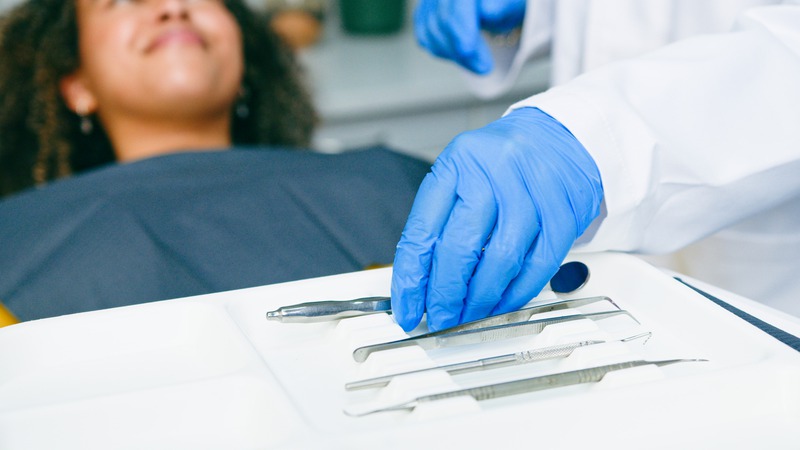
Preparing properly ensures your oral surgery goes smoothly and helps you recover quickly afterward. Whether you’re having wisdom teeth pulled, getting dental implants, or undergoing another procedure, it’s normal to feel some stress or nervousness beforehand. By following clear, practical preparation steps, you can ease your mind and make the entire experience much easier and more comfortable.
Direct Ways to Prepare for Oral Surgery
To effectively prepare for oral surgery, follow these straightforward steps provided by your dental professional. Preparation includes consulting your surgeon about medications, following dietary guidelines, arranging transportation, and planning your recovery. Properly following these directions ensures safety, reduces anxiety, and assists you in having a smooth surgery process.
Discuss the Procedure Thoroughly with Your Oral Surgeon
Before scheduling your surgery, engage in detailed conversations with your oral surgeon. They will explain exactly what the procedure entails and answer your questions, providing clear expectations. Being fully informed through this discussion reduces uncertainty and promotes feelings of security and confidence.
During your consultation, tell your surgeon about any medical conditions, allergies, or medications you take regularly. Accurate information allows your surgeon to recommend adjustments to medications and precautions necessary to keep you safe and comfortable during the procedure. Additionally, if you are undergoing orthodontic treatments Oakville, inform your surgeon, as this might influence the surgical approach or timeline. Always be transparent, as it significantly contributes to the success and safety of your surgery.
Address Your Anesthesia Concerns Clearly
Your oral surgeon likely will use anesthesia in some capacity to ensure you experience minimal discomfort. Types of anesthesia range from local numbing injections, nitrous oxide sedation, moderate sedation, or general anesthesia, depending on your procedure. Your oral surgeon informs you ahead of time about what type you’ll be given and outlines the necessary steps to prepare your body safely.
If receiving sedation or general anesthesia, you must follow strict guidelines such as fasting instructions, avoiding certain medications or supplements, and having someone accompany you home afterward. Make sure you clearly understand these guidelines from your provider. Addressing these concerns ahead of time enhances safety and prevents potential complications.
Arrange Transportation and Post-Surgery Assistance
Oral surgery often involves sedation or anesthesia that leaves you feeling groggy afterward. In this case, arranging transportation ahead of time is essential, since you’re required to have another adult take you home safely. Confirm your arrangements a day or two prior to your scheduled surgery to prevent last-minute confusion or stress.
Additionally, consider asking someone to stay with you for at least the first 24 hours following your surgery, especially if you undergo extensive procedures or general anesthesia. Having reliable assistance available during this recovery period can make coping with discomfort simpler and ensure prompt help if complications occur.
Understand Pre-Surgery Dietary Guidelines
Your oral surgeon will provide clear dietary instructions, particularly if your procedure involves sedation or general anesthesia. Typically, you’ll need to avoid food and liquids for approximately eight hours leading up to your scheduled surgery. Follow these restrictions strictly to reduce risks such as aspiration or stomach upset.
If your surgery involves only local anesthesia, dietary restrictions might be minimal or nonexistent. Even then, your surgeon may suggest eating lightly beforehand to minimize discomfort or nausea. Always follow the dietary guidelines your oral surgery provider gives you carefully, as these rules ensure your safety.
Prepare Your Home for Comfortable Recovery
Recovering comfortably at home after oral surgery greatly influences the healing process. Before surgery day, stock your home with recommended soft foods, ice packs, avoiding alcohol or smoking, and medications prescribed by your oral surgeon. Having essential items ready ahead of time ensures you won’t need to make uncomfortable trips out post-surgery.
Make sure your home environment allows you to rest, relax, and heal effectively. Arrange a comfortable resting place with extra pillows to elevate your head, and organize entertainment options accessible without exerting yourself physically. Practicing these steps significantly supports easier recovery and healing.
Follow Dental Hygiene Recommendations Precisely
Adhering to good dental hygiene boosts quick recovery and decreases risks of post-operative complications. Your oral surgeon provides specific brushing, flossing, rinsing, or oral hygiene instructions relevant to your surgery type and extent. Follow recommendations carefully to encourage healthy healing, manage swelling efficiently, and protect against infection. For some procedures, your provider may advise gentle rinsing with salt water, avoiding aggressive brushing near surgery sites, or using special antiseptic mouthwashes.
As you follow your surgeon’s aftercare guidelines, it’s also important to consider how your orthodontic care Brampton fits into this recovery process. If you are undergoing treatment such as braces or aligners, aligning it with your post-operative care is crucial. This integrated approach ensures that both your surgical recovery and orthodontic progress continue without hindrance or complication.
Always adhere strictly to the advice given directly by your surgeon. Carefully observing oral care protocols, including those that may overlap with orthodontic care, allows optimal recovery and reduces the risks of complications.
Manage Post-Surgery Medications Responsibly
Your surgeon will prescribe appropriate pain medications and sometimes antibiotics following your surgery. Always follow exact instructions regarding dosage scheduling to effectively manage pain levels. Poor pain management could impede healing, whereas strictly following medication guidelines results in efficient and comfortable recovery. If your oral surgeon prescribes antibiotics, take the entire full dosage as instructed to prevent complications and infection.
Failing to finish antibiotics completely can allow bacteria to rebound, potentially causing complications or prolonged discomfort. In addition to managing medications, consider scheduling orthodontic consultations post-recovery if your dental procedure involves alignment issues. Orthodontic consultations in Yorkville can ensure that your healing process supports overall oral health, aligning teeth effectively and preventing future complications.
Final Thoughts
Preparing properly for oral surgery reduces anxiety, enhances safety, and speeds up effective healing afterward. Remember the simple steps provided clearly by your surgeon, manage pre-surgery logistics precisely, and arrange good care and support post-surgery. Following clear, structured preparations ensures you have the easiest possible oral surgery journey from consultation through recovery.