
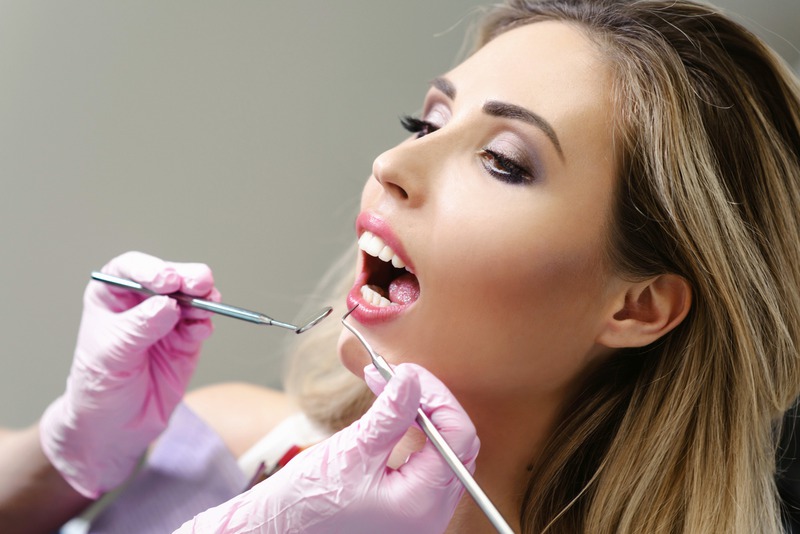
Your oral health changes throughout your life. From infancy through childhood, adolescence, adulthood, and into your senior years, what you eat matters most. A balanced diet contributes positively to oral hygiene, helping avoid tooth decay, gum disease, and other serious dental problems at every life stage.
Can Food Choices Impact Your Mouth as You Age?
The Infant Years and Oral Development
As infants transition from milk or formula to solid foods, their teeth and gums start to change. Early exposures to soft foods influence tooth eruption and jaw growth. Providing nutrient-dense, natural foods helps ensure healthy oral development and a foundation for strong future teeth.
Parents should limit sugar exposure during infancy since sugar is strongly linked to cavities even in primary “baby” teeth. Replacing sugary snacks with natural options like soft-cooked vegetables and fruits supports infancy dental health effectively.
Children and Oral Nutrition
Children’s oral health significantly hinges on their diet. Regularly consuming vegetables, fruits, lean proteins, and dairy products promotes strong teeth and gums. These types of foods offer essential vitamins, minerals, and nutrients required for healthy mouth development.
Cutting back on sugary drinks and snacks reduces a child’s cavity risk tremendously. Choosing water, milk, or diluted fresh fruit juices helps support good dental health habits for life.
-
Offer carrot sticks, apples, and cheese instead of candy or sweets as snacks.
-
Encourage frequent drinking of plain water instead of soda pop or fruit-flavored drinks.
-
Select calcium-rich foods like yogurt to ensure optimal tooth strength and density.
Managing Orthodontics During Childhood
Orthodontic habits often impact a child’s eating patterns. Many parents consider options like braces for kids to correct alignment and bite issues during early years. Kids wearing orthodontic devices require special attention regarding dietary choices.
Foods harmful to orthodontic appliances, including sticky candy, gum, chips, chewy snacks, or hard foods, must be avoided. Foods safe for children with orthodontics consist of soft-cooked meals, mashed potatoes, soups, finely chopped veggies, and yogurts.
Diet During Teenage Years and Early Adulthood
Adolescents’ diets frequently feature increased unhealthy snacks and sugary beverages. This dietary pattern often leads to heightened oral hygiene problems like cavities or gum disease. Encouraging teens toward balanced meals filled with nutritious choices like vegetables, lean meats, and dairy products improves their overall oral wellness.
Regular hydration helps to constantly cleanse the oral cavity, reducing risks posed by acidic or sugary consumption. Ensuring teens understand the direct correlation between their diet and oral care encourages better choices during this critical developmental stage.
How Orthodontics Affects Teenagers’ Diet Choices
Teenagers who opt for orthodontic treatments, such as braces for adolescents, need changes in food consumption patterns. Braces and similar orthodontic solutions introduce dietary restrictions to prevent damage to sensitive devices.
Biting into hard foods could break wires or loosen brackets, creating a necessity for device-safe foods. This stage emphasizes softer, tooth-friendly choices like smoothies, pureed fruits, steamed veggies, boiled whole grains like brown rice, or oatmeal porridge.
-
Avoid crunchy fruits and vegetables, or carefully slice them into manageable pieces.
-
Choose soups, pasta, and yogurts that reduce direct pressure on orthodontic appliances.
-
Select lean, soft proteins like fish and eggs to support nutritional needs.
Invisalign Options on Diet
Orthodontic alternatives like teen Invisalign offer more flexible dietary options to adolescents. Transparent, removable aligners allow teens to consume various foods without dietary limitations, providing orthodontic improvements without challenging food limitations associated with permanent orthodontics.
However, teens should consistently remove aligners during meals, clean their teeth promptly afterward, and then return the aligners to their place. Proper handling and hygiene reduce oral health issues conveniently throughout treatment.
Adult Dietary Choices and Oral Care
Adult life demands ongoing specific attention to dietary choices concerning oral care and general wellness. Dental health conditions, including decay, gum inflammation, and enamel erosion, result from poor dietary choices. Adhering to healthy eating habits continuously promotes adequate oral health and function throughout adulthood.
Adding fibrous plant-based foods such as broccoli, celery, spinach, and berries improves oral health significantly. These foods help naturally clean teeth surfaces, remove plaque, and stimulate healthy saliva that neutralizes harmful oral acids.
Dietary Considerations for Older Adults
Older adults often encounter oral health challenges, including gum recession, tooth loss, decreased saliva production, and increased vulnerability to infections. Dietary modifications during this stage mitigate negative effects and maintain comfort and oral function.
Ensuring adequate calcium, vitamin D, fiber, and nutrient-rich foods reduces possibilities linked to osteoporosis, tooth brittleness, or gum disease. Good nutritional choices keep aging gums and teeth healthier and stronger despite aging complications.
-
Incorporate dairy alternatives like almond milk, rich in fortified vitamins and minerals.
-
Select softer protein sources like beans, lentils, eggs, and tofu.
-
Hydrate consistently to offset the impacts associated with decreased saliva production.
Common Dietary Mistakes That Harm Oral Health
Many dietary mistakes inadvertently damage oral hygiene across all age groups. Consuming excessive amounts of sugary snacks, sodas, candies, and processed carbohydrates provides bacteria with a nourishing environment, aggravating the risk of tooth decay. Avoiding frequent snacking significantly reduces constant acid attacks that weaken tooth surfaces.
Habitually nibbling on acidic fruits or sipping sugary beverages throughout the day gradually erodes tooth enamel. Limiting intake or brushing teeth after food consumption provides protection and improves long-term oral health outcomes.
Proactive Eating Habits That Benefit Oral Health
Adopting proactive eating habits ensures balanced nutritional choices and oral outcomes:
-
Minimize sugar and carbohydrate-rich processed snacks to reduce bacterial buildup.
-
Choose healthy fillings between meals, such as vegetables, nuts, or cheese cubes.
-
Maintain consistent hydration with water, eliminating dehydration-linked oral disorders.
-
Consume diverse calcium-rich food options essential for preserving healthy teeth throughout various life stages.
Alongside smart dietary choices, routine visits to dental professionals ensure early detection and prevention strategies related to dietary oral health conditions. Combining dietary discipline, sound personal hygiene, and professional dental advice results in positive long-term oral wellness.
Final Thoughts
Your diet distinctly affects oral health from childhood through the elderly stages of life. Making wise, consistent nutritional choices significantly impacts oral wellness at every age. Promoting proactive eating demonstrates a meaningful commitment toward optimal lifelong oral hygiene, happiness, and overall health. Final Thoughts include prioritizing nutrient-rich eating habits, aligning with oral care needs specific to your life stage.